

What to Do If You Don’t Qualify for Food Stamps: 7 Ways to Get Help

Emily Chang
Published May 9, 2026
If this happens to you, don’t lose hope. There are several other programs and community resources that can help fill the gap. Here is a guide on where to look for assistance and how to lower your monthly costs.
If You Think the Denial was a Mistake
If you believe you should have qualified for SNAP and the state made an error, you have the right to appeal. Your denial letter will explain how to ask for a "fair hearing." Most states give you between 30 and 90 days to start this process.
7 Alternatives for Food Assistance
1. Food Banks and Pantries
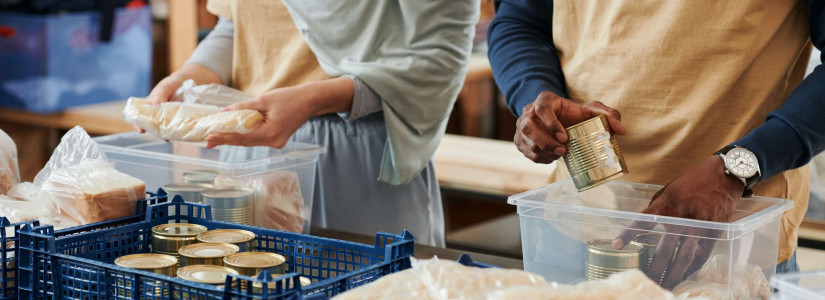
Local food banks are the quickest way to get free groceries. Most of the time, you don’t need an appointment. You usually just walk in, show a form of ID, and let them know how many people are in your family.
They often provide a mix of canned goods, fresh produce, meat, and bread.
2. WIC (For Families with Young Children)
WIC stands for Women, Infants, and Children. It is a nutrition program specifically for pregnant people, new parents, and children under age five.
WIC has different income rules than SNAP, so even if you were denied food stamps, you might still qualify for WIC.
3. TANF (Cash Assistance)
TANF, also known as "Cash EBT" or welfare, provides monthly cash to very low-income families with children. Unlike SNAP, which can only be used for food, TANF cash can be used for rent, utilities, clothing, or groceries.
4. Unemployment Benefits
If you lost your job or your hours were cut, you should apply for unemployment. While it isn’t a food-specific program, it provides weekly cash payments that can help you cover your essential grocery bills while you look for new work.
5. Supplemental Security Income (SSI)
SSI provides monthly cash support for people who are 65 or older or those who have a disability and very limited income. In some states, qualifying for SSI makes you automatically eligible for SNAP as well.
6. School and Summer Meal Programs
If you have children in school, they may qualify for free or reduced-price breakfast and lunch. During the summer months, many states offer "Summer EBT" or local sites where kids can get free meals while school is out.
7. Local Community and Nonprofit Programs
Churches, community centers, and local nonprofits often give out emergency food boxes or hot meals. Some organizations even offer grocery vouchers or meal deliveries for seniors.
The best way to find these is to call 211 or visit 211.org. This is a free service that connects you with local operators who know exactly which charities in your neighborhood are currently giving out food.
How to Free Up Money for Groceries
If you can’t get more food assistance, the next best step is to lower your other bills. This leaves you with more cash in your pocket for the grocery store. Look into these programs:
- Utility Bills: The LIHEAP program helps low-income families pay for heating and cooling.
- Health Insurance: Check if you qualify for Medicaid or CHIP (for children) to get free or low-cost healthcare.
- Childcare: Many states offer subsidies or "Head Start" programs to help cover the cost of daycare.
- Housing assistance: If you are worried about eviction, search for local emergency rental assistance programs that can help cover back rent.
- Transportation: Many cities offer discounted bus passes or reduced-fare programs for low-income residents.
Remember: If you are overwhelmed and don't know where to start, dialing 2-1-1 is the fastest way to talk to someone who can guide you to the right resources in your specific town.
-
Subscribe to secure your food stamps and learn more about this government benefit.

Related Articles
View all posts
CalFresh Work Requirements in California: Who Is Exempt?...
Navigating CalFresh (SNAP) rules can feel overwhelming, but understanding your exemptions helps ensure you keep the benefits you deserve. Here is a breakdown of who qualifies for a work requirement exemption und...
Simple Ways to Find Your SNAP Case Number...
Government benefits help a lot of people, and if you're one of them, one of the things you should take note of is your case number. This unique 7- to 10-digit identifier tracks your benefits, verifies your identity, and he...
September 2026 SNAP Benefits Guide: Payment Dates, Amounts, and Updates...
Budgeting for groceries and other monthly expenses is stressful, so keeping track of your benefit schedule is essential. Here is a friendly guide to help you plan ahead for your September 2026 SNA...

How College Students in California Can Get Food Stamps...
Paying for college means managing tuition, housing, and personal expenses before even thinking about groceries. A policy change in California makes it easier for higher-education students to get monthly food assis...
Texas Extends Deadline to Replace SNAP Benefits Lost in July Floods...
The Texas Health and Human Services Commission (HHSC) has extended the deadline for SNAP benefit recipients affected by severe weather and flooding to apply for replacement food benefits. Key Deta...

August 2026 Food Stamp (SNAP) Payment Dates by State...
Millions of families enrolled in the Supplemental Nutrition Assistance Program (SNAP)—commonly known as food stamps—will start receiving their monthly benefit payments in August 2026. Because payment dat...